Why Metro chose WordPress VIP for their CMS and front end

Metro's existing CMS "WPS"
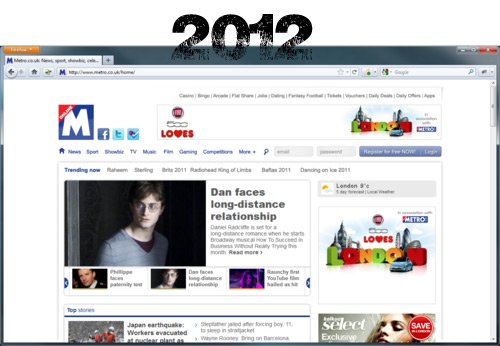
When I joined Metro they were using a custom CMS that used GWT for the admin screens which wrote to a CRX content repository and then used Cocoon to pull fragments of XML out and parse them into HTML for the front end via ESI tags on Akamai's content delivery network (CDN). It was an incredibly complicated system that had started with big promises about the "future of semantic publishing" and was originally planned to be rolled out across Associated Newspapers as the default CMS. However the internal department which was in charge of development became Mail Online, the people who wrote their dissertation on it left the company and the project was left to myself and the team at Metro to stabilise and maintain. During this time it was taking on average three months to get a developer up to speed with the platform and our ability to move quickly was pretty much non existent. The implementation of CRX had also been setup by people who didn't really understand it's inner workings properly. Having spent most of a holiday I had on the phone trying to stabilise the system I came back with the knowledge that things had to change. At the same time my boss Jamie Walters had used WordPress.com to setup a blog that had a mobile, tablet and desktop version in less than 3o minutes.
CMS Selection Process
We then went into a large scale look at all of the publishing based CMS systems and quickly realised that spending a lot of money to tie yourself into a vendor who's main goal is to make money from you by making you upgrade every few years would not be the way forward. As part of that process we saw that Automattic the company behind WordPress.com had a VIP service that allowed you to utilise the might of their WordPress.com infrastructure as a platform for publishing. This would allow the Metro development to focus on the user experience of news and be able to leverage all of the open source knowledge around the subject.
WordPress VIP's pricing structure was also very nice and simple with unlimited traffic, bandwidth and storage and a set charge additional charge depending on the support tier you require. They also helped out with our content migration and we ended up going with a high level of support throughout our build and then dropped it down once we had gone live. They also run six data centres in active-active mode so you don't need to worry about disaster recovery. Automatticians are a very dedicated bunch and are distributed throughout the world which really helps when working on large scale projects such as this. They also have the ability to change the WordPress platform to ensure that you can achieve your goals. One thing to consider is that they check every line of code before it goes up on their platform both before your code goes live and once it is up and running. WordPress is also constantly being updated by the large worldwide community it has behind it and a lot of the commodity items that a websites needs are taken care of for you. It had to go to the investment board twice but just before the second time CRX melted down and for five days straight we could only run it for 20 minutes out of every hour to update our Akamai cache and keep the site looking somewhat fresh. This couldn't have come at a better time in the decision making process and we got the sign off we needed.
Things worth considering when switching to WordPress VIP
We are now two months post our go live date and I can safely say that utilising the WordPress VIP platform has been a really positive experience. There are a few things that are worth bearing in mind however.
- WordPress.com does not support the www subdomain so we are now metro.co.uk rather than www.metro.co.uk.
- Initial Automattic code review can take 6-8 weeks to fully complete.
- Every time you make a change to your theme it needs to be approved by an Automattician (most completed within an hour and you can request faster in an emergency).
- WordPress.com does not support the passing of query strings around the application due to their caching setup.
- It is pretty hard to get your local and test builds similar to WordPress.com so get your code on their servers as soon as possible.
- The WordPress platform changes pretty much every day which has great benefits but you need to stay on top of updates.
- As most people who build WordPress sites do it for multiple clients it took us a long time to find someone to join on a permanent basis with the right level of skill.
- If you have any resource managing your servers currently then they will be less busy.
- WordPress VIP also offer self hosted help if you already have everything setup.
For how we approached the project from a project management point of view read some more here. Links: